

 Facebook
 X
 Pinterest
 Copy Link
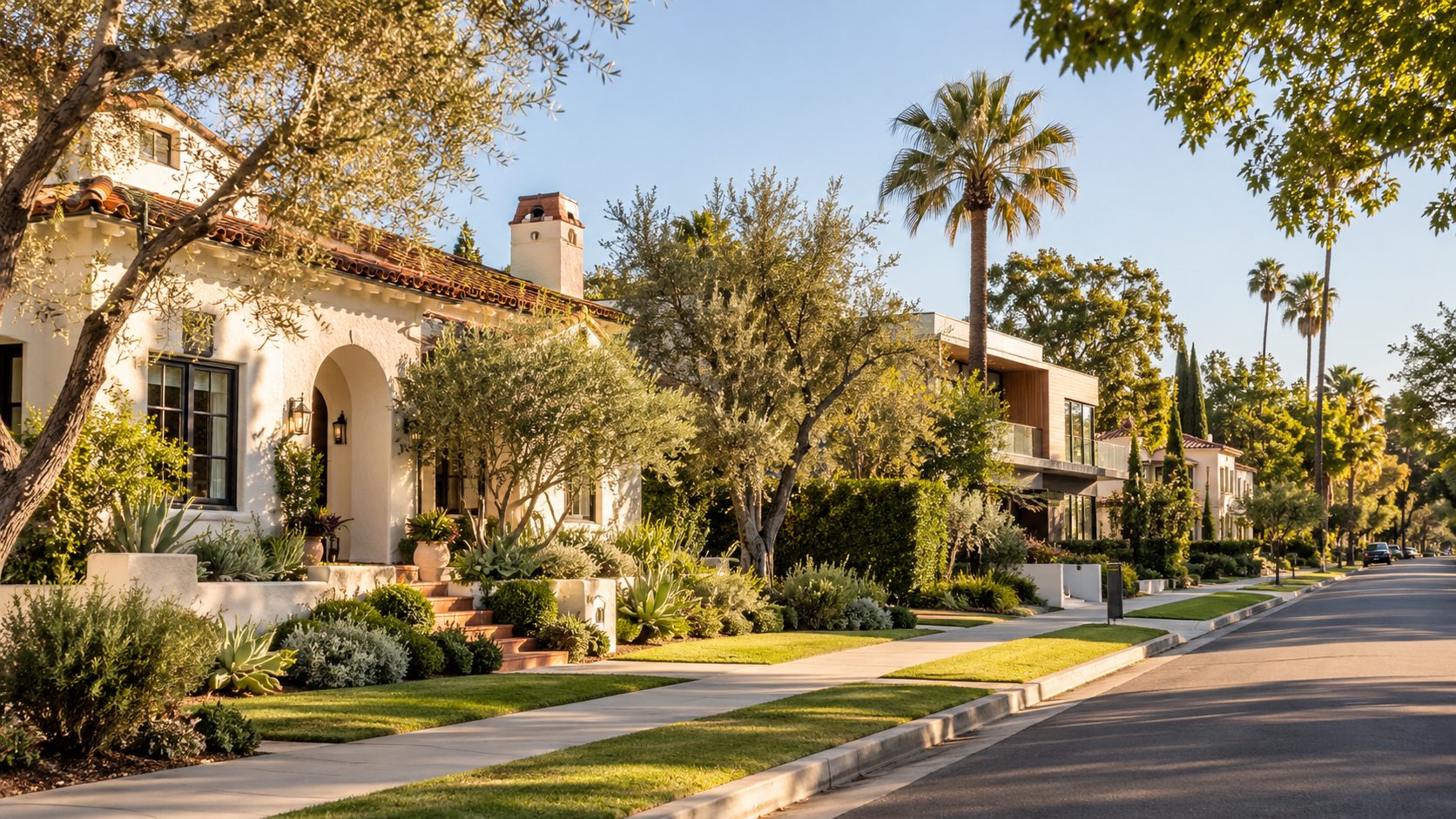
When the Fed holds rates, I would bring the conversation back to your next move. If you are buying in Beverly Hills, Bel Air, or elsewhere in Los Angeles, can you comfortably own the home at the terms available now? If you are selling, does your plan reflect what buyers can actually afford?
Today, October 28, 2026, the Fed kept its target range at 3.75% to 4%. That gives us another piece of context. Your decision still needs to work for the property and your finances.
When the Fed holds rates, start with your payment
Before deciding whether to buy, ask your lender to update the numbers for the home you are considering. Include taxes, insurance, and any HOA dues. Then look at how much cash you would have left after closing.
Mortgage rates can move even when the Fed holds rates. That is because they respond to longer term bond markets and expectations about inflation, as the St. Louis Fed explains.
Freddie Mac’s weekly average fell from 7.40% on October 15 to 7.32% on October 22. That happened before today’s meeting. It is a national measure for qualifying conventional loans, so your own quote, particularly for a jumbo loan, may differ.
If the payment fits comfortably and the home meets your needs, we can evaluate the opportunity on its merits. If the purchase would leave you stretched, a hoped for future refinance should not be what makes the budget work.
Let the local numbers guide your offer
The October 12 county report showed recent demand falling from 3,566 to 3,026 over about 6 weeks, roughly 15%. Meanwhile, active inventory rose only about 1%. In other words, the larger shift was fewer buyers entering contracts.
Demand here means new pending sales over the prior month. These figures predate today’s decision, so they describe the market buyers were already navigating.
If you are buying, use that context to compare available homes carefully. How does the asking price relate to similar sales? What work will the property need? Which terms would make the purchase more manageable without leaving important questions unresolved?
A slower countywide pace gives us a reason to investigate. However, the seller’s circumstances and the home’s direct competition tell us much more about what to offer. In my earlier article, Is Los Angeles a Buyer’s Market in Fall 2026?, I explain the broader context.
Selling after a Fed rate pause: focus on the buyer’s budget
I would not assume the Fed’s pause gives buyers a larger budget for your home. Start with the homes competing with yours and the ones that have recently entered escrow.
If buyers are touring but not returning, we should examine their feedback alongside price and condition. For example, the right response might involve preparation, terms, or a price adjustment. We need evidence before choosing one.
In my earlier article, Home Pricing Strategy: Sell Smarter in Today’s Los Angeles Market, I explain how to make that comparison. The aim is to position your home for the buyers it needs to attract.
Investing when the Fed holds rates
For an investment, start with rent supported by comparable properties and a realistic allowance for vacancy and future repairs. Then include financing and all other ownership costs.
If the investment only works after a large rate cut or a quick rise in value, I would reconsider the price or the purchase. Those outcomes are uncertain. Instead, the property should fit your cash reserves and the length of time you are prepared to hold it.
What I would watch next
More buyers signing contracts would be useful evidence of improving activity. Returning from 3,026 to the late August pace of 3,566 would require roughly 18% growth from that lower level. That is a benchmark, not a forecast, and seasonal changes still matter.
I would also check why listings disappear. A sale and an owner withdrawing a home tell us different things about demand.
For your own move, we can use those trends while keeping the decision grounded in the home, the terms, and what you want ownership to achieve.
Quick answers
Should I buy because the Fed held rates?
A pause alone is not a reason to buy. Review the home’s value, the full payment, and your reserves.
Should sellers wait for the next Fed meeting?
Compare the cost of waiting with current buyer interest and your moving plans. A stronger future market is uncertain.
What if the Fed holds rates again?
Update the loan quote and review local activity. Make the decision using terms you can obtain, rather than a rate you hope to receive.
Sources
Federal Reserve: FOMC statement, October 28, 2026.
Federal Reserve Bank of St. Louis: What Determines Mortgage Rates? October 1, 2026.
Freddie Mac: Primary Mortgage Market Survey archive. Weekly observations for October 15 and October 22, 2026.
Reports on Housing: Los Angeles County Housing Report, October 12, 2026.
