

 Facebook
 X
X
 Pinterest
 Copy Link
The Return of Negotiation: Why Representation Matters More Than Ever in Today’s Los Angeles Market

One of the biggest misconceptions about real estate is that success comes down to finding the right property.
Finding the right property is only the beginning.
The real work often starts after an offer is written.
Every purchase involves hundreds of decisions.
Price.
Terms.
Contingencies.
Repairs.
Credits.
Escrow timelines.
Inspection strategy.
Appraisals.
Disclosures.
Risk management.
Many of these decisions never appear on real estate websites, yet they frequently determine whether a transaction succeeds and how favorable the final outcome becomes.
As today’s Los Angeles market becomes more balanced, negotiation has once again become one of the most valuable skills a real estate professional can provide.
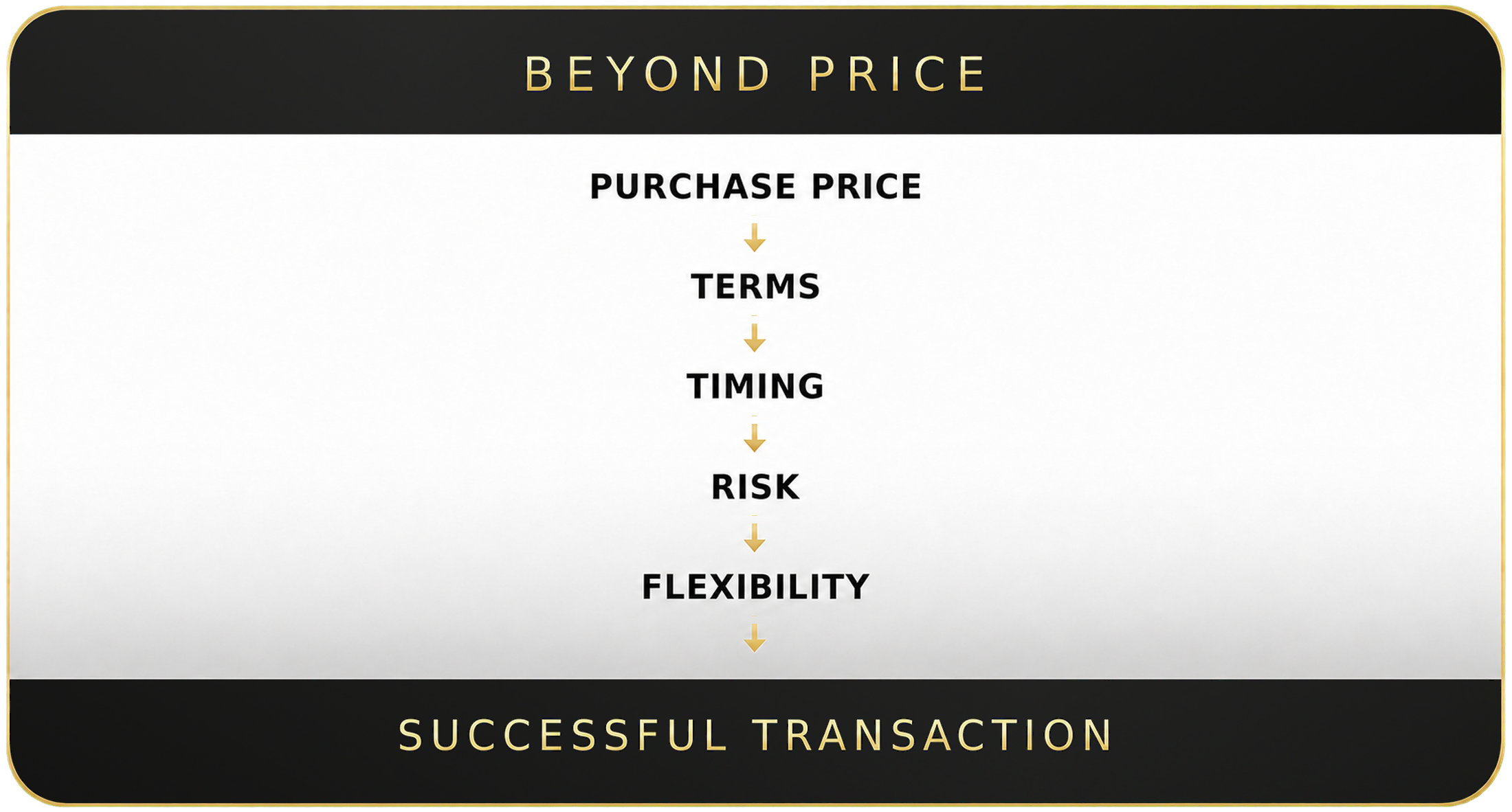
Negotiation Is No Longer Just About Price
During highly competitive markets, buyers often believed the only way to win was to offer more money.
Today’s market has become more nuanced.
Price still matters.
But many successful negotiations involve adjustments that create value for both parties without necessarily changing the purchase price.
Examples include:
• Repair credits
• Escrow timelines
• Lease-back arrangements
• Contingency periods
• Personal property
• Closing cost allocations
• Home warranty coverage
• Inspection scheduling
Often, a thoughtful adjustment in one of these areas creates more value than simply reducing the purchase price.
Every Client Defines Success Differently
One buyer may want the lowest possible purchase price.
Another may prioritize certainty.
Some sellers want maximum proceeds.
Others value privacy or timing.
I’ve found that successful negotiations begin by understanding what each party values most.
Once those priorities become clear, opportunities often emerge that wouldn’t be obvious by focusing exclusively on price.
That is why negotiation is as much about listening as it is about advocating.
Information Creates Leverage
One of the advantages experienced agents bring to a negotiation is context.
Market data.
Comparable sales.
Neighborhood trends.
Inspection findings.
Disclosure analysis.
Contract knowledge.
These pieces of information help clients understand not only what a property is worth, but also how much negotiating flexibility may realistically exist.
Good negotiation is rarely based on emotion.
It is based on preparation.
 Negotiation Continues Throughout Escrow
 Negotiation Continues Throughout Escrow
Many people think negotiations end once an offer is accepted.
In reality, some of the most important discussions occur afterward.
Inspection findings.
Repair requests.
Credit negotiations.
Appraisal issues.
Title questions.
Financing changes.
Unexpected discoveries.
Each stage requires careful judgment.
Knowing which issues deserve attention and which are unlikely to influence the outcome helps keep transactions moving toward a successful closing.
Communication Often Determines Outcomes
Real estate transactions involve many professionals working toward the same goal.
Buyers.
Sellers.
Agents.
Escrow officers.
Lenders.
Inspectors.
Contractors.
Attorneys.
Appraisers.
Clear communication reduces misunderstandings, builds trust, and helps solve problems before they become obstacles.
Many successful transactions close not because problems never arise, but because everyone remains focused on finding practical solutions.
Experience Helps Identify Risk Before It Becomes Expensive
One of the least visible parts of representation is risk management.
Reviewing disclosures carefully.
Recognizing unusual contract language.
Understanding inspection reports.
Identifying potential permit issues.
Coordinating specialists when necessary.
Helping clients ask better questions.
Many of these efforts receive little attention because, ideally, they prevent problems before they occur.
The best transaction is often the one where potential issues are addressed early rather than becoming expensive surprises later.
Today’s Market Rewards Patience and Strategy
The July 20 Housing Report suggests buyers generally have more time to evaluate opportunities than during the extremely competitive markets of recent years. Rather than reacting immediately, many buyers can compare properties, negotiate thoughtfully, and make decisions with greater confidence.
That doesn’t mean every negotiation becomes easier.
It means every decision becomes more important.
With additional opportunities available, buyers and sellers benefit from careful preparation rather than rushed decisions.
Representation Is About More Than One Transaction
The goal of professional representation isn’t simply to close escrow.
It is to help clients make informed decisions that continue serving them long after the transaction is complete.
Sometimes that means encouraging a client to move forward confidently.
Other times it means recommending patience – or even advising against a purchase—when the risks outweigh the potential benefits.
The most valuable advice isn’t always the advice that leads to an immediate sale.
It’s the advice that helps clients achieve their long-term goals.
Conclusion
Markets change.
Interest rates fluctuate.
Inventory rises and falls.
Negotiation, however, remains one constant.
Every transaction involves decisions that influence financial outcomes, timing, and risk.
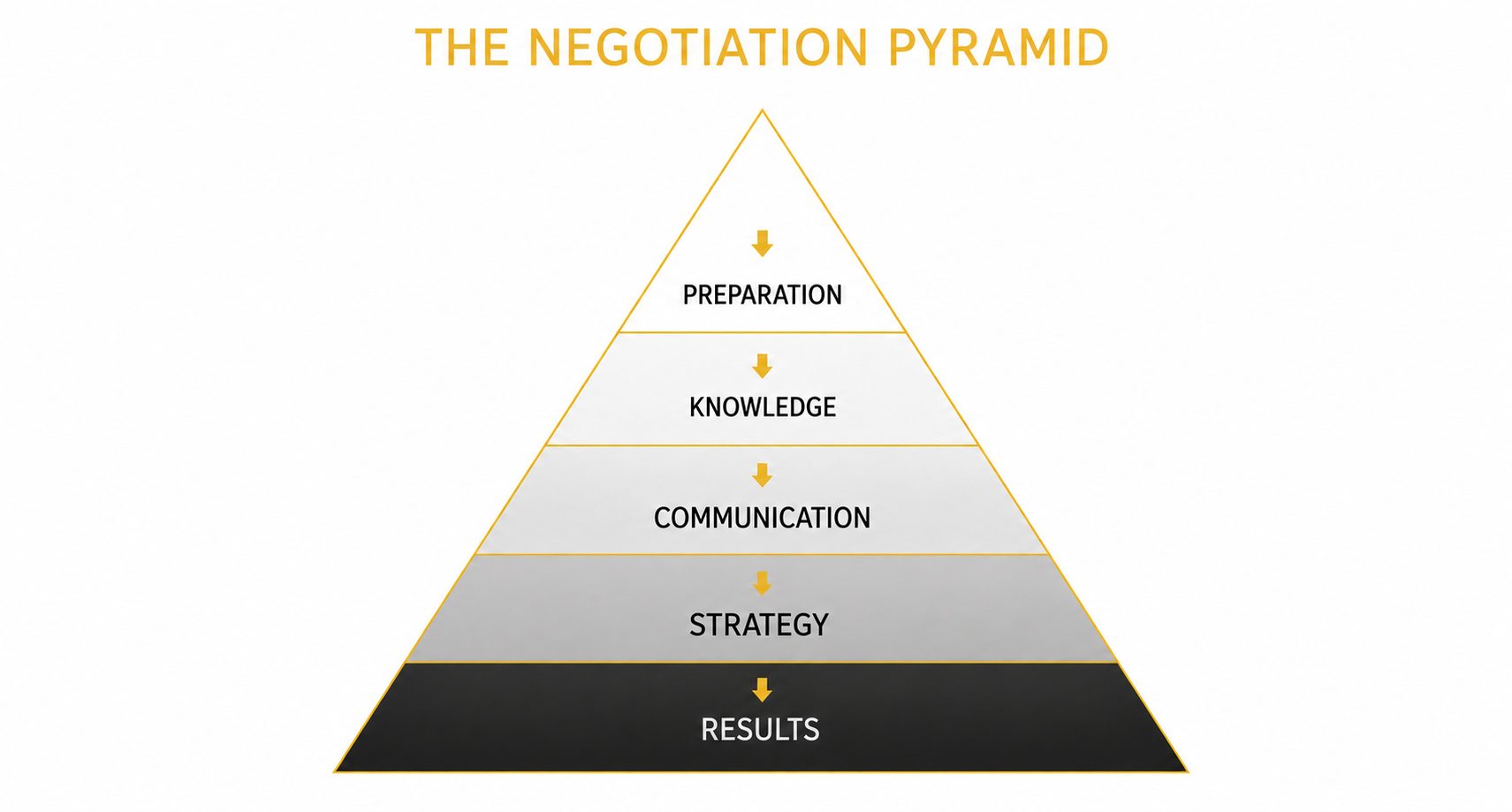
Understanding those decisions—and approaching them with preparation, communication, and strategy—can make a meaningful difference.
Whether buying or selling in Beverly Hills, Bel Air, Brentwood, Santa Monica, Pacific Palisades, Malibu, or elsewhere on the Westside, successful outcomes are rarely the result of luck.
More often, they reflect thoughtful planning, informed negotiation, and experienced guidance throughout every stage of the process.
