

 Facebook
 X
X
 Pinterest
 Copy Link
LA Housing Market at 7.26% Interest Rate & What Buyers Should Know
A 7.26% Mortgage Rate Is Not Creating One Los Angeles Housing Market
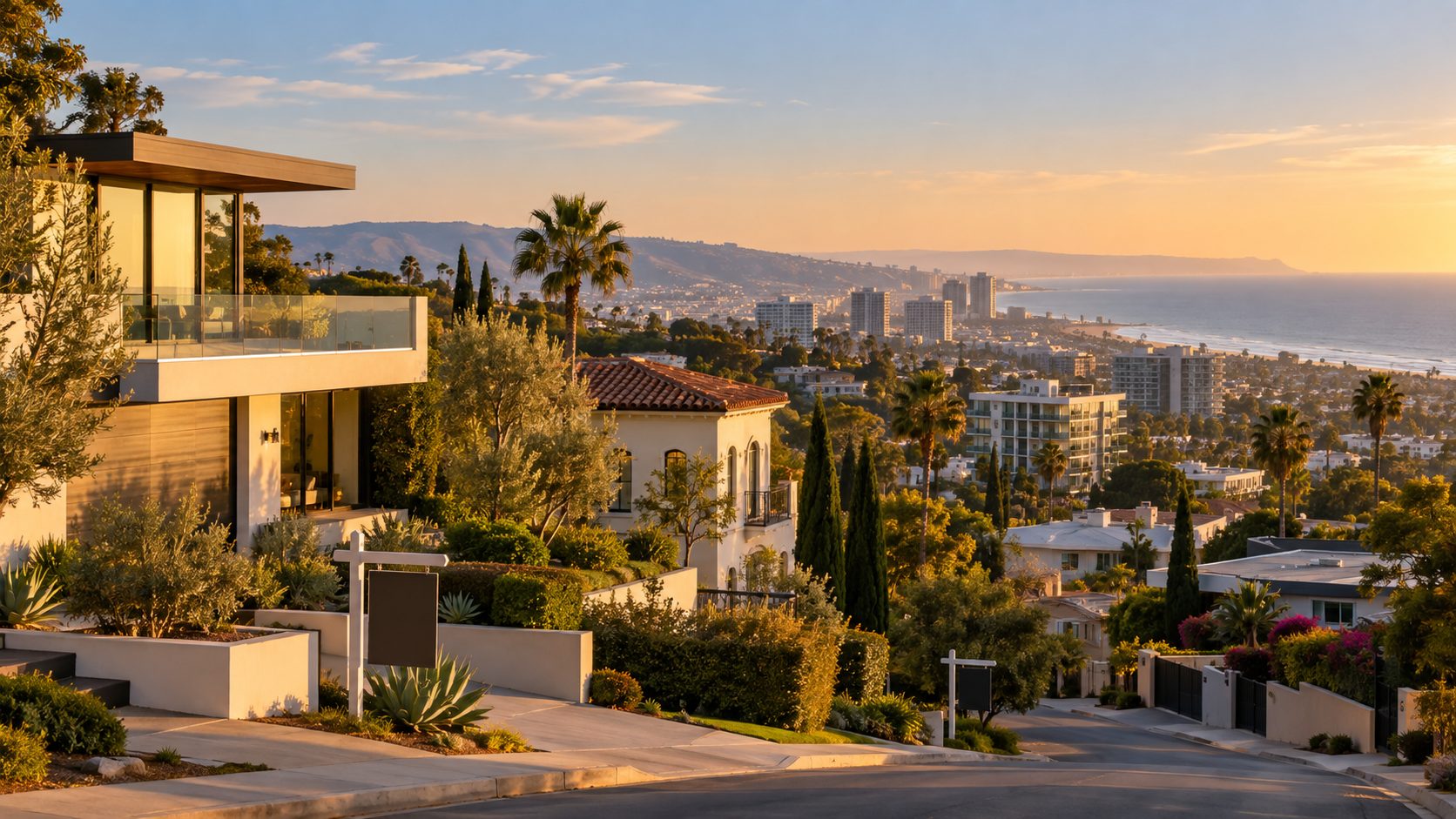
A Different Kind of Fall Market
The 30 year fixed mortgage rate is now 7.26%, and it would be easy to assume that every buyer and seller in Los Angeles is experiencing the same market.
They are not.
After working with buyers and sellers across the Westside and West Hollywood, one lesson continues to stand out. Los Angeles rarely moves as one market. A well positioned home may attract immediate attention while another property only a few streets away can sit for months.
The difference often comes down to the details. Price. Condition. Location. Architecture. Monthly carrying costs. The building itself.
Mortgage rates influence all of these decisions, but they do not affect every property in the same way.
What the Latest Numbers Actually Show
The 30 year fixed mortgage rate reached 7.26% today. Higher borrowing costs have clearly reduced purchasing power and encouraged buyers to move more carefully.
The latest Los Angeles County Housing Report reflects that slower pace. The county had 14,945 active listings and 3,566 pending sales during the previous 30 days. Expected Market Time reached 126 days, compared with 114 days last year and 74 days during the 2017 through 2019 average.
Those figures tell us that the LA housing market has lost momentum. They do not tell us how an individual home will perform.
Every Neighborhood Is Moving at Its Own Pace
The differences become much clearer when we look at individual communities. Expected Market Time was 163 days in Santa Monica, 234 days in Brentwood, 338 days in Beverly Hills, 381 days in Bel Air, 408 days in West Hollywood, 564 days in Pacific Palisades, and 720 days in Malibu.
Expected Market Time is an absorption measurement, not a prediction that every home will take that many days to sell. Still, the range is revealing. Buyers may have considerably more time in one neighborhood than another, even when the communities are only a short drive apart.
The differences can be just as significant within a neighborhood. A thoughtfully renovated home with good natural light and a strong location may have little direct competition. A condominium with high monthly expenses, incomplete HOA information, or upcoming building work may require far more patience.
That is why broad headlines rarely provide enough guidance. The LA housing market becomes more understandable when it is viewed one neighborhood, one building, and one property at a time.
Higher Rates Do Not Automatically Create Bargains
Many buyers assume a slower market should produce dramatic discounts. In practice, that has not happened across the board.
Distressed properties accounted for only 1.5% of active listings in the county report. In July, 99% of closed sales involved sellers with equity. Most owners are not under immediate pressure to accept a deeply discounted offer.
That does not mean buyers have no leverage. It means leverage is usually found in the circumstances surrounding a particular property.
A home that has accumulated market time may offer more flexibility. The same may be true after a price adjustment, a previous escrow cancellation, or the discovery of repairs that can be evaluated and managed. Sometimes the most valuable concession is not a lower price. It may be a credit, a repair, a longer contingency period, or assistance with an interest rate buydown.
The goal is not simply to negotiate harder. It is to understand what would create the greatest value for the buyer while still giving the seller a reason to move forward.
The Monthly Payment Deserves Equal Attention
When rates change, buyers naturally focus on the purchase price. The monthly obligation deserves the same attention.
On a $1 million loan, principal and interest at 7.26% are approximately $6,829 per month. At 6.25%, the payment is about $6,157. That difference is roughly $672 each month before property taxes, insurance, and HOA dues.
This is why I encourage buyers to discuss financing early rather than waiting until they find a home. Loan structure, available reserves, future plans, and the complete cost of ownership can influence which opportunity makes the most sense.
Preparation Matters More for Sellers
A slower market does not prevent a strong sale. It makes preparation more important.
Buyers with more choices tend to recognize value quickly. They also recognize overpricing quickly. The first few weeks on the market are therefore not simply a trial period. They are often the moment when a property receives its greatest attention.
For West Hollywood condominiums, the condition of the building can matter as much as the presentation of the residence. Buyers are looking beyond finishes and reviewing reserves, insurance, meeting minutes, inspection reports, future assessments, and maintenance history. A well organized disclosure package can answer concerns before they become reasons to hesitate.
The strongest sellers do not depend on optimism alone. They understand the competing inventory, prepare the home carefully, and choose a price that buyers can recognize as reasonable from the beginning.
Looking Beyond the Rate Headline
A 7.26% mortgage rate is shaping the market, but it is not defining every outcome.
Some buyers will pause. Others will recognize that reduced competition gives them time to evaluate opportunities more carefully. Some sellers will need patience. Others will succeed because their property offers something difficult to replace.
The most useful question is not whether the LA housing market is good or bad.
It is whether a particular property, at a particular price, supports the buyer’s or seller’s long term goals.
That answer is rarely found in a headline. It comes from understanding the details.
Sources
• Current 30 Year Fixed Mortgage Rate as of 9/23/26
• Reports on Housing Los Angeles County Housing Report
Why Summer May Not Be the Best Time to Sell Your Los Angeles Home in 2026

North Beverly Park Estate with Panoramic City and Ocean Views
Why Summer May Not Be the Best Time to Sell Your Los Angeles Home in 2026
When homeowners think about the Summer Los Angeles real estate market, many assume it is the ideal time to sell. The weather is beautiful, school is out, families are moving, and neighborhoods are full of activity. On the surface, summer feels like the busiest season for real estate.
The data tells a different story.
While more homes come on the market during the summer months, buyer demand has already peaked in the spring. As inventory continues to grow through July and August, sellers face increasing competition for the same pool of buyers. That shift doesn’t mean homes stop selling. It simply means strategy becomes more important than timing.
For homeowners in Beverly Hills, Bel Air, Westwood, Brentwood, Santa Monica, Pacific Palisades, Malibu, West Hollywood, and Mid Wilshire, understanding this seasonal transition can make the difference between a successful sale and months of unnecessary market time.
Why the Summer Los Angeles Real Estate Market Slows
One of the biggest misconceptions I hear is that summer is the strongest selling season because families prefer to move before school begins.
There is some truth to that.
Many families still want to relocate during the summer. The difference is that most of those buyers began searching months earlier. By late May, buyer demand has typically reached its highest point of the year. As summer begins, vacations, travel, children’s activities, and other commitments gradually pull buyers away from the housing market.
At the same time, many homeowners decide to list, believing they can still capture the momentum of the spring market.
The result is simple:
More homes.
Slightly fewer active buyers.
More competition.
That combination naturally slows the pace of the market.
More Listings Do Not Always Mean More Buyers
The June housing report shows that active inventory continued to increase while buyer demand remained essentially unchanged. As more listings entered the market, the expected market time increased to 114 days, the highest level since the end of January.
This is an important distinction.
Many homeowners look around and notice more “For Sale” signs. They assume that must mean buyers are also becoming more active.
In reality, additional inventory often creates the opposite effect.
Buyers suddenly have more choices.
They compare homes more carefully.
They negotiate more confidently.
They become less willing to compromise.
For sellers, that means earning a buyer’s attention becomes more difficult than it was just a few months earlier.
Why Turnkey Homes Continue to Stand Out
Although the overall market slows during the summer, not every property performs the same way.
One trend has remained remarkably consistent across Beverly Hills, Brentwood, Santa Monica, West Hollywood, and Pacific Palisades.
Homes that are move in ready continue attracting the strongest interest.
Today’s buyers value certainty.
Many prefer avoiding major renovations, permit delays, contractor scheduling challenges, and rising construction costs. A well prepared home allows buyers to move forward with confidence.
Before listing, sellers should carefully evaluate:
- Overall condition
- Deferred maintenance
- Paint and flooring
- Landscaping and curb appeal
- Professional staging
- Photography and video
- Pricing strategy
These improvements may seem straightforward, but together they shape a buyer’s first impression and often determine whether a property becomes a “must see” or simply another listing online.
Pricing Matters Even More During the Summer
As inventory grows, pricing becomes increasingly important.
Some homeowners believe they can list high and negotiate later.
Unfortunately, today’s buyers are more informed than ever.
Before scheduling a showing, many buyers have already reviewed comparable sales, studied neighborhood trends, analyzed days on market, and compared dozens of competing listings.
When a property appears overpriced, buyers often wait.
Instead of creating urgency, an inflated asking price can encourage hesitation.
Ironically, homes that are priced correctly from the beginning frequently receive stronger interest and, in some cases, multiple offers.
Pricing is not simply about maximizing value.
It is about positioning the home to attract the right buyers before competing listings capture their attention.
Every Westside Neighborhood Has Its Own Story
Countywide housing reports provide valuable perspective, but every neighborhood behaves differently.
West Hollywood buyers often prioritize walkability, lifestyle, and updated interiors.
Santa Monica buyers frequently focus on proximity to the beach, schools, and neighborhood character.
Brentwood buyers continue placing a premium on move in ready homes and functional floor plans.
In Beverly Hills and Bel Air, pricing strategy becomes increasingly important because the luxury buyer pool is naturally smaller and purchasing decisions tend to be more deliberate.
Pacific Palisades continues evolving as rebuilding efforts reshape portions of the community, while Malibu remains defined by limited inventory and its unique coastal lifestyle.
Understanding those neighborhood differences is often far more valuable than relying on countywide averages alone.
Advisor’s Perspective
One of the biggest mistakes homeowners make is assuming the calendar determines success.
In my experience, the calendar matters far less than preparation.
I’ve seen well presented homes sell quickly in slower markets, and I’ve watched poorly positioned properties struggle during the busiest months of the year.
The homeowners who achieve the strongest results are usually the ones who begin preparing long before their home reaches the market. They understand local buyer expectations, invest in presentation, and price strategically from day one.
The market may influence your opportunities.
Your strategy often determines your outcome.
Key Takeaways
- The Summer Los Angeles real estate market typically slows as inventory increases and buyer activity eases.
- More listings create greater competition among sellers.
- Turnkey homes continue outperforming properties requiring significant updates.
- Strategic pricing becomes increasingly important during the summer months.
- Every neighborhood behaves differently. Local expertise matters more than countywide averages.
Frequently Asked Questions
Is summer a good time to sell a home in Los Angeles?
Yes, but sellers should understand that competition typically increases during the summer as more homes enter the market while buyer demand gradually slows. Proper pricing and presentation become even more important.
Why does the Summer Los Angeles real estate market slow?
Spring is usually when buyer demand reaches its peak. During the summer, vacations, family activities, and additional inventory create a more balanced market with longer selling times.
Do turnkey homes still sell quickly?
Often, yes. Buyers continue paying premiums for homes that are well maintained, updated, and move in ready because they reduce uncertainty and renovation costs.
Should I wait until fall to list my home?
Not necessarily. Every property and neighborhood is different. The decision should be based on your goals, local market conditions, and how well your home can be positioned against competing listings.
Thinking About Selling Your Home?
Selling successfully isn’t simply about choosing the right month. It’s about understanding your neighborhood, preparing your home thoughtfully, and developing a pricing strategy that reflects today’s market.
If you’re considering selling in Beverly Hills, Bel Air, Westwood, Brentwood, Santa Monica, Pacific Palisades, Malibu, West Hollywood, or Mid Wilshire, I’d be happy to provide a personalized assessment of your home’s position in today’s market and discuss strategies that can help you maximize its value.
Los Angeles Real Estate Investment Opportunities: Where Smart Investors Are Looking Across Beverly Hills, Bel Air, and the Westside in the Second Half of 2026
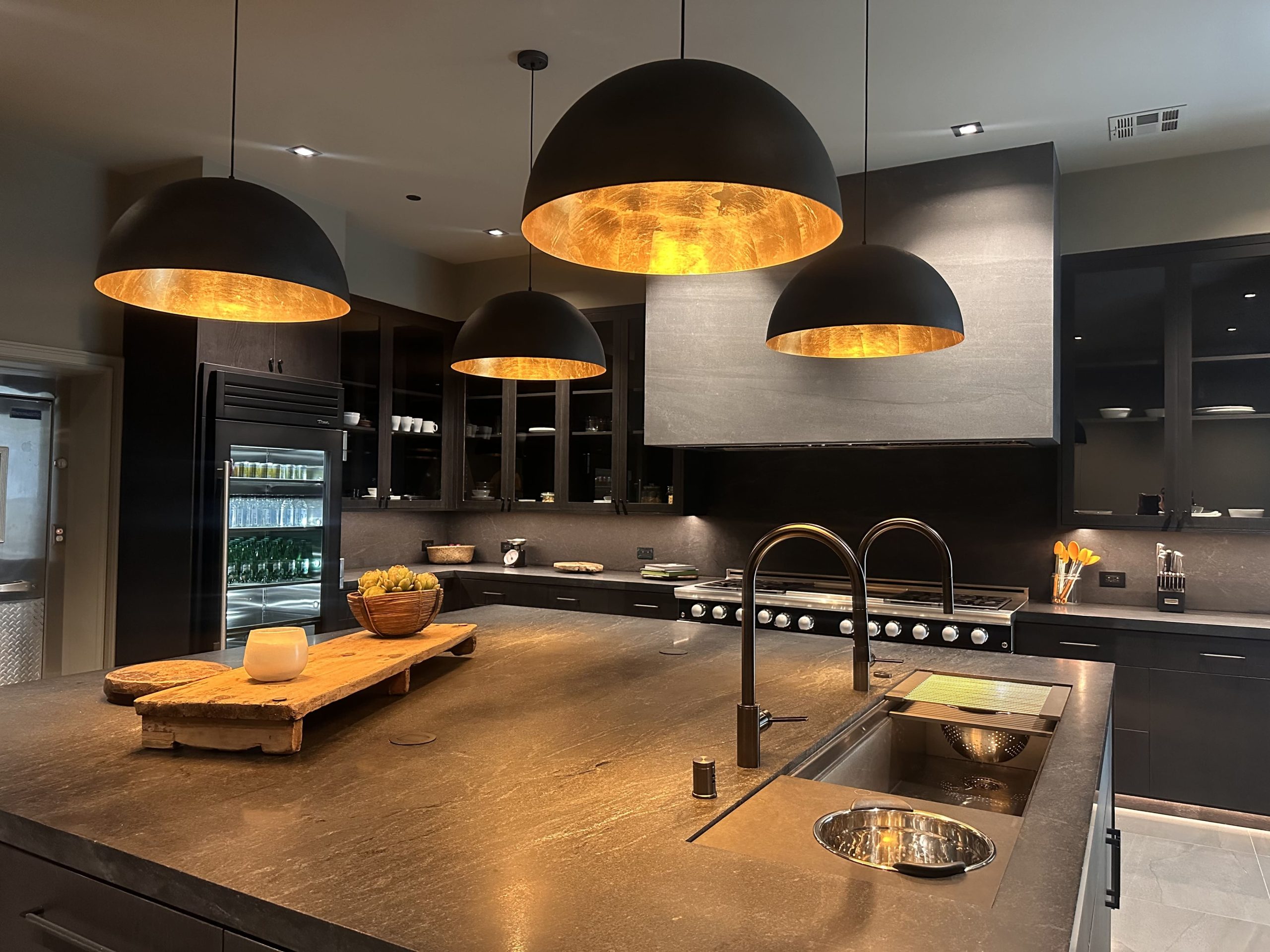
Los Angeles Real Estate Investment Opportunities: Where Smart Investors Are Looking Across Beverly Hills, Bel Air, and the Westside in the Second Half of 2026
When people search for Los Angeles real estate investment opportunities, they often focus on mortgage rates, economic forecasts, or where home prices may be headed next. Those factors certainly influence real estate, but they rarely tell the complete story.
Experienced investors approach the market differently. Rather than trying to predict next month’s prices, they focus on the forces that shape neighborhoods over many years. They study supply and demand, buyer preferences, lifestyle trends, future development, and the qualities that continue attracting homeowners regardless of economic cycles.
That perspective is becoming increasingly important throughout Beverly Hills, Bel Air, Westwood, Brentwood, Santa Monica, Pacific Palisades, and Malibu, where limited inventory and enduring demand continue supporting property values.
Recent Los Angeles County housing data suggests buyer demand is improving while inventory growth has begun to slow. For investors focused on building wealth instead of chasing short term fluctuations, that shift deserves attention. The second half of 2026 may not be remembered for dramatic headlines, but it could become the period when disciplined buyers quietly positioned themselves ahead of the next stage of the housing cycle.
Why Los Angeles Real Estate Investment Opportunities Are Changing
Over the past several years, many investors have delayed purchasing while waiting for a significant market correction.
Instead, Southern California has taken a different path.
Rather than experiencing widespread price declines, many desirable neighborhoods are gradually moving toward a healthier balance between buyers and sellers. Demand has improved while inventory growth has slowed, creating conditions that reward thoughtful planning instead of speculation.
Periods like this often present some of the most compelling buying opportunities. Public sentiment typically remains cautious even as underlying fundamentals begin improving. By the time confidence fully returns, much of the opportunity has already been recognized by the broader market.
That does not mean every property deserves consideration.
Instead, successful investors become more selective. They focus on exceptional locations, enduring neighborhood appeal, and properties that are likely to remain desirable years from now instead of attempting to perfectly time the market.
One lesson I’ve learned throughout my real estate career is that successful investing is rarely about buying at the absolute bottom. More often, it’s about recognizing quality before everyone else does.
Why Limited Supply Continues Supporting Westside Real Estate
One of the greatest advantages for property owners across the Westside is something that cannot easily be recreated: limited housing supply.
Unlike many metropolitan areas that continue expanding outward, much of Los Angeles has little room for meaningful residential growth. Even when new housing is proposed, projects frequently encounter lengthy approval processes, zoning restrictions, rising construction costs, and neighborhood opposition.
Several factors continue limiting new inventory throughout Beverly Hills, Bel Air, Westwood, Brentwood, Santa Monica, Pacific Palisades, and Malibu.
- Limited land available for development
- Strict zoning regulations
- Rising construction costs
- Lengthy entitlement and permitting timelines
- Strong demand for established neighborhoods
These conditions have supported property values for decades. Buyers continue placing a premium on neighborhoods that offer excellent schools, convenient access to employment centers, privacy, outdoor amenities, and a high quality of life.
While every housing cycle experiences periods of expansion and moderation, neighborhoods with limited inventory and enduring demand have historically demonstrated remarkable resilience.
Why Bel Air Continues Attracting Sophisticated Buyers
Bel Air has long been recognized as one of the world’s premier residential communities. Although Beverly Hills often receives greater public recognition, Bel Air offers something increasingly difficult to duplicate: expansive estate lots, exceptional privacy, mature landscaping, and an atmosphere of exclusivity that continues attracting affluent buyers from around the world.
For many investors, Bel Air represents much more than luxury real estate.
It represents land, location, and lasting value.
Neighborhoods such as East Gate Bel Air, West Gate Bel Air, Upper Bel Air, and Bel Air Crest each appeal to different buyer profiles. Some purchasers seek architecturally significant estates with panoramic city views, while others recognize the opportunity presented by larger parcels that may become even more valuable as developable land becomes increasingly scarce.
Bel Air’s location is another significant advantage. Within minutes of Beverly Hills, Westwood, Century City, UCLA, and several of Los Angeles’ most important employment centers, it offers privacy without sacrificing convenience.
One trend I continue observing is that luxury buyers have become increasingly selective, but they have certainly not disappeared. Exceptional homes continue attracting serious interest because they offer qualities that simply cannot be replicated elsewhere.
That distinction matters.
Exceptional real estate is rarely defined by today’s price.
It is defined by tomorrow’s demand.
Bel Air continues demonstrating why truly irreplaceable locations remain one of the strongest foundations for preserving and growing wealth.
Why Westwood and Brentwood Continue Attracting Discerning Buyers
Westwood and Brentwood have long attracted buyers seeking stability, convenience, and an exceptional quality of life. Although each neighborhood has its own personality, both continue benefiting from strong fundamentals that support buyer demand through changing market conditions.
Westwood offers a unique combination of prestigious residential enclaves, proximity to UCLA, leading medical centers, Century City, and Beverly Hills, and easy access to many of Los Angeles’ major employment hubs. Buyers are drawn to the neighborhood for its intellectual and professional community, established homes, and central location.
Brentwood offers a different appeal. Tree lined streets, larger lots, highly regarded schools, and a relaxed atmosphere make it one of the Westside’s most desirable places to live. The neighborhood attracts families, professionals, and executives who value space, privacy, and convenience without sacrificing access to the city.
Both communities continue demonstrating why location remains one of the most important drivers of real estate value.
One observation I frequently share with clients is that buyers often become overly focused on the home itself while overlooking the neighborhood. A beautifully remodeled house can always be updated again in the future. An exceptional location, however, is something that cannot be recreated.
That perspective becomes especially important when evaluating properties intended to build wealth over many years.
Why Santa Monica Continues Standing the Test of Time
Santa Monica has remained one of Southern California’s most resilient housing markets for decades, and the reasons are remarkably consistent.
People are not simply purchasing a home. They are investing in a lifestyle.
Coastal living, outstanding schools, outdoor recreation, walkability, and convenient access to major employment centers continue attracting buyers from across the United States and around the world. Those qualities have remained desirable through changing economic conditions and continue supporting demand today.
Neighborhoods surrounding Montana Avenue, North of Montana, and Ocean Park remain especially attractive because they combine limited inventory with an exceptional quality of life.
From my experience working with buyers relocating to Los Angeles, many initially compare neighborhoods based on price alone. After spending time exploring the Westside, they often realize that lifestyle becomes equally important. Being able to walk to restaurants, enjoy the beach, exercise outdoors year round, and reach work without lengthy commutes creates lasting value that extends well beyond the property itself.
Those characteristics help explain why Santa Monica continues attracting buyers generation after generation.
What Investors Should Watch in Beverly Hills, Bel Air, Westwood, and Brentwood
Beverly Hills, Bel Air, Westwood, and Brentwood remain among the most sought after residential communities in Los Angeles, but successful investing requires looking beyond prestige alone.
Some of the strongest opportunities are not necessarily the most expensive homes.
Instead, they are often properties located in exceptional neighborhoods with functional floor plans, renovation potential, and characteristics that future buyers will continue valuing.
Whether evaluating a condominium in Beverly Hills, a traditional residence in Westwood, a family home in Brentwood, or an estate in Bel Air, the same principle applies.
Future demand matters more than today’s headlines.
When advising clients, I often encourage them to ask one simple question before making an offer:
“Will people want to live here even more ten years from now?”
For many properties throughout Beverly Hills, Bel Air, Westwood, and Brentwood, I believe the answer remains yes.
These neighborhoods continue attracting entrepreneurs, physicians, attorneys, entertainment professionals, executives, academics, and international buyers seeking exceptional locations that are difficult to duplicate elsewhere.
Markets naturally experience periods of expansion, moderation, and recovery.
Exceptional neighborhoods, however, rarely lose their appeal.
Recognizing that distinction often separates successful investors from those who simply react to short term market movements.
Why Pacific Palisades and Malibu Deserve Attention
Pacific Palisades and Malibu may become two of the most closely watched luxury housing markets over the next several years, although each tells a very different story.
Pacific Palisades is entering a period of meaningful transformation. As rebuilding efforts continue, buyers and investors will closely monitor new construction, inventory levels, insurance costs, infrastructure improvements, and the pace of redevelopment. Communities undergoing significant change often create opportunities that become much more apparent with the benefit of time.
Malibu continues operating in a category of its own.
Very few places in the world combine dramatic coastline, limited oceanfront inventory, natural beauty, and international recognition the way Malibu does. Although ownership comes with considerations such as coastal regulations, maintenance, and insurance, buyers continue placing extraordinary value on privacy, views, and direct access to the Pacific Ocean.
Neither neighborhood should be evaluated solely through a short term perspective.
Patience is often rewarded.
Investors willing to focus on the next decade instead of the next year may discover opportunities that are not immediately obvious to the broader market.
Understanding the differences between these two communities is equally important. Pacific Palisades represents a neighborhood rebuilding and evolving for the future. Malibu represents a mature luxury market where scarcity and lifestyle continue supporting demand.
Those are two very different investment stories, and each deserves to be evaluated on its own merits.
One Statistic Every Investor Should Pay Attention To
One of the most encouraging findings in the latest Los Angeles housing report is not what changed. It is what remained consistent.
Distressed inventory continues to represent only a very small portion of the housing supply across Los Angeles County. That matters because significant housing downturns are often fueled by forced selling. Today, most homeowners continue holding substantial equity and are not under the same financial pressure that characterized previous housing crises.
That does not mean prices will move in only one direction. Every real estate cycle includes periods of slower growth, price adjustments, and renewed momentum.
The difference today is that the underlying conditions appear much healthier than many people assume.
For investors, that distinction is worth paying attention to.
My Perspective as a Westside Realtor
Countywide statistics provide valuable context, but they rarely tell the whole story.
Over the years, I have learned that every neighborhood develops its own rhythm. A home in Santa Monica attracts a different buyer than an estate in Bel Air. Likewise, a condominium in Beverly Hills appeals to different priorities than a traditional residence in Westwood or a family home in Brentwood.
That is why I encourage clients to evaluate opportunities one neighborhood at a time instead of relying solely on broad market averages.
The strongest investment decisions rarely come from reacting to economic news or trying to predict the next interest rate announcement. They come from understanding how people choose where they want to live.
Buyer preferences evolve.
Exceptional neighborhoods rarely do.
When demand remains consistently stronger than supply, quality real estate has historically rewarded patient owners.
What Investors Should Remember
If there are a few ideas I hope readers take away from this article, they are these:
- Buyer demand is improving while inventory growth has begun to slow.
- Limited housing supply continues supporting values across many premier Westside communities.
- Beverly Hills, Bel Air, Westwood, and Brentwood remain desirable because of their location, lifestyle, and enduring buyer demand.
- Santa Monica continues attracting residents who value coastal living, walkability, and convenience.
- Pacific Palisades and Malibu each present unique opportunities, but for very different reasons.
- Successful investing begins with understanding neighborhoods, not chasing headlines.
Perhaps the most important lesson is this:
Exceptional real estate is rarely defined by today’s price. It is defined by tomorrow’s demand.
Frequently Asked Questions
What are the best Los Angeles real estate investment opportunities in 2026?
Every investor has different goals, but Beverly Hills, Bel Air, Westwood, Brentwood, Santa Monica, Pacific Palisades, and Malibu continue attracting buyers because they combine limited inventory, desirable locations, and lasting demand.
Is Bel Air still a good place to invest?
Bel Air remains one of Southern California’s premier luxury communities because of its privacy, estate sized parcels, proximity to Beverly Hills, Century City, and UCLA, and exceptionally limited housing supply. Many buyers view Bel Air as a place to preserve wealth as much as a place to live.
Why do investors continue choosing Santa Monica?
Santa Monica offers a combination of coastal living, excellent schools, outdoor recreation, walkability, and access to major employment centers. Those qualities continue attracting buyers across multiple market cycles.
Why are Beverly Hills and Brentwood considered stable long term investments?
Both neighborhoods benefit from strong buyer demand, established communities, excellent amenities, and limited opportunities for significant new development. Those characteristics have supported property values for decades.
Why are investors paying attention to Pacific Palisades?
As rebuilding continues, buyers are closely watching how new construction, inventory levels, and neighborhood improvements influence future housing opportunities.
Final Thoughts
Successful real estate investing has never been about perfectly timing the market.
It is about recognizing quality before everyone else does.
The strongest opportunities are rarely identified by following daily news or short term market predictions. They come from understanding which neighborhoods continue attracting buyers, why those communities remain desirable, and how those qualities may influence value over the years ahead.
Whether you’re purchasing your first investment property or expanding an existing portfolio, taking the time to evaluate location, buyer demand, and neighborhood fundamentals will almost always produce better decisions than reacting to short term uncertainty.
Exploring Westside Los Angeles Real Estate Investment Opportunities?
If you’re considering buying, selling, or investing in Beverly Hills, Bel Air, Westwood, Brentwood, Santa Monica, Pacific Palisades, or Malibu, I’d be happy to share my perspective on current market conditions and discuss which neighborhoods and property types may best align with your goals.
Every client has different priorities. Whether you’re focused on appreciation, lifestyle, income potential, or preserving wealth for future generations, the right strategy begins with informed advice and a thoughtful conversation.
Los Angeles Housing Market Deep Dive: West Hollywood, Beverly Hills, Westwood, Brentwood, Santa Monica, and Pacific Palisades

Deep Dive: What Is Really Affecting the LA Westside Housing Market in 2026
The Los Angeles housing market in 2026 is no longer being driven by momentum. It is being driven by precision, pricing discipline, insurance risk, development policy, and neighborhood specific demand. For buyers, sellers, and investors focused on West Hollywood, Beverly Hills, Westwood, Brentwood, Santa Monica, and Pacific Palisades, the market is not weak across the board. It is selective.
Mortgage rates remain one of the biggest forces shaping buyer behavior. As of May 2026, 30 year mortgage rates are still hovering above 6%, with recent reports showing rates around 6.3% to 6.39%. That keeps monthly payments elevated and forces buyers to become more selective, especially when comparing price per square foot, HOA dues, insurance costs, property taxes, and renovation expenses.
The strongest Westside buyers are not disappearing. They are simply more disciplined. Well priced homes in prime locations can still attract serious attention, while overpriced listings are sitting longer, reducing, or quietly negotiating behind the scenes.
1. Measure ULA Is Still Reshaping the Luxury Market
One of the most important policies affecting Los Angeles real estate is Measure ULA, often called the mansion tax. In the City of Los Angeles, it applies to higher value property transfers. Effective after June 30, 2026, the adjusted thresholds are $5.4 million and $10.9 million. Sales above $5.4 million but below $10.9 million are subject to a 4% tax, while sales at $10.9 million or higher are subject to a 5.5% tax.
This matters directly for Brentwood, Westwood, Pacific Palisades, and parts of the Los Angeles side of the Westside. It does not apply the same way in independent municipalities such as Beverly Hills, Santa Monica, and West Hollywood.
For sellers, Measure ULA can affect net proceeds, pricing psychology, and timing. For buyers, it can create negotiation leverage, especially when a property is sitting close to a tax threshold. UCLA research found that after Measure ULA, the odds of a Los Angeles property selling above the tax threshold fell significantly, especially for non single family transactions.
2. Insurance Is Now a Major Real Estate Issue
Insurance is no longer a minor escrow item. It is now a core part of the buyer underwriting process, especially in hillside and fire affected areas such as Pacific Palisades, Brentwood hills, Bel Air adjacent areas, and parts of Beverly Hills north of Sunset.
California regulators recently accused State Farm of mishandling claims connected to the 2025 Los Angeles area wildfires, citing delays, underpayments, and administrative obstacles. The broader takeaway is simple: buyers and sellers need to understand insurance availability, premiums, FAIR Plan exposure, and rebuilding coverage before removing contingencies.
For Pacific Palisades specifically, wildfire recovery, rebuilding feasibility, lot value, permit timing, insurance cost, and construction risk are all shaping the market. Vacant land and damaged property sales require deeper due diligence than traditional resale homes.
3. Builder’s Remedy and Housing Element Pressure Are Changing the Development Conversation
Across the Westside, state housing law is pushing cities to approve more housing, even in traditionally low density luxury areas.
Beverly Hills has been dealing with Builder’s Remedy projects, including approved and advancing multifamily projects near Olympic Boulevard and Burton Way. The City of Beverly Hills explains that Builder’s Remedy applies when a city does not have a certified housing element, allowing certain qualifying housing projects to move forward even when local zoning would normally restrict them.
Santa Monica has also been a major Builder’s Remedy battleground. The city maintains a public list of Builder’s Remedy projects and recently approved streamlined housing projects under its 2021 to 2029 Housing Element framework.
West Hollywood is also working through its Housing Element and Zoning Improvement Program for Housing, with the stated goal of addressing housing needs across different income levels.
For homeowners, this means nearby development potential matters more than ever. For investors, it creates opportunities around underutilized lots, older multifamily assets, and properties near transit, commercial corridors, and mixed use zones.
4. Pacific Palisades Is Its Own Market Right Now
Pacific Palisades should not be analyzed like a normal luxury neighborhood in 2026. It is being shaped by wildfire recovery, insurance, construction costs, permitting, land sales, and policy debates around density.
Governor Newsom’s 2025 executive order allowed local governments to restrict SB 9 density in certain fire affected high hazard areas, including neighborhoods impacted by the Palisades Fire. Mayor Karen Bass also moved to block duplex projects in the Palisades rebuilding area. Housing advocates have sued over the restrictions.
For buyers, this means the biggest questions are no longer just view, lot size, and school district. They are also:
Can the property be insured?
What can actually be rebuilt?
How long will permitting take?
Is the lot priced correctly compared with construction cost?
Is there upside, or only risk?
5. Beverly Hills Remains Prestige Driven, But Buyers Are More Analytical
Beverly Hills continues to benefit from global name recognition, limited land, luxury retail, privacy, schools, and lifestyle identity. But even in Beverly Hills, buyers are comparing value more carefully.
The most important distinction remains micro location:
Beverly Hills Flats
North of Sunset
Trousdale Estates
Beverly Hills Post Office
90210 versus 90211 versus 90212
Condos near the Golden Triangle
For sellers, brand power alone is not enough. Presentation, pricing, architecture, lot usability, condition, and privacy still decide whether a listing sells quickly or sits.
6. Santa Monica Is Becoming a Lifestyle and Development Market
Santa Monica remains one of the most desirable coastal markets in Los Angeles because it combines walkability, beach access, restaurants, jobs, schools, and lifestyle. But it is also under pressure from housing mandates and redevelopment activity.
The city’s Builder’s Remedy and streamlined housing pipeline could reshape parts of Santa Monica over time, especially around commercial corridors and transit accessible areas.
For buyers, the key question is whether they want a beach lifestyle, walkability, condo convenience, or long term land value. For investors, Santa Monica remains attractive but requires careful review of rent control, HOA health, insurance, building age, and future development nearby.
7. West Hollywood Is a Condo, Lifestyle, and Investor Market
West Hollywood is heavily influenced by condo inventory, rent stabilization, nightlife, design, walkability, and buyer affordability. It is also a market where price per square foot, HOA dues, reserves, building condition, and rental potential matter enormously.
Well priced condos can still move, but dated units, high HOA buildings, litigation issues, weak reserves, or unrealistic seller pricing can create long days on market. Investors should pay close attention to rent control rules, tenant status, parking, washer and dryer feasibility, and renovation costs.
8. Brentwood and Westwood Are Still Anchored by Schools, Jobs, and Lifestyle
Brentwood remains a strong long term ownership market because of its family lifestyle, proximity to Santa Monica, access to private schools, UCLA, the Getty, and high income professional demand. Westwood benefits from UCLA, medical employment, Wilshire Corridor condos, Century City proximity, and investor demand.
The UCLA Research Park conversion of the former Westside Pavilion into a major research hub is another long term factor supporting Westwood and nearby Westside housing demand. The project involves a 700,000 square foot research complex focused on immunology, immunotherapy, quantum science, and related programs.
Bottom Line
The 2026 Los Angeles housing market is not one market. Beverly Hills, Westwood, Brentwood, Santa Monica, West Hollywood, and Pacific Palisades are each moving under different pressures.
The winning strategy is precision.
Buyers should focus on price per square foot, insurance, location quality, HOA strength, renovation cost, and seller motivation.
Sellers should focus on realistic pricing, presentation, timing, and neighborhood specific positioning.
Investors should focus on policy, zoning, rent control, development potential, insurance risk, and long term liquidity.
